Project / Case study
Automotive Operations Ecosystem
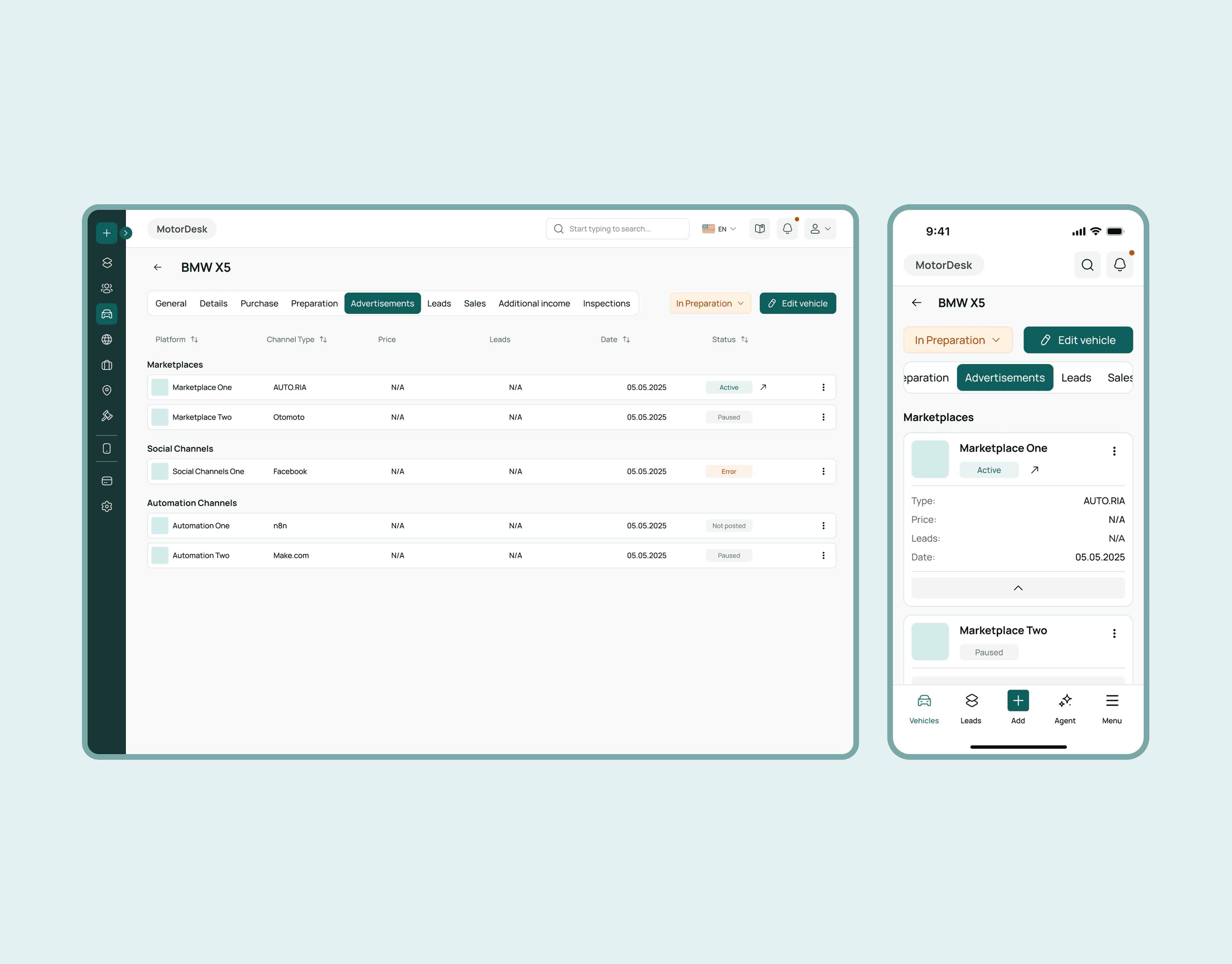
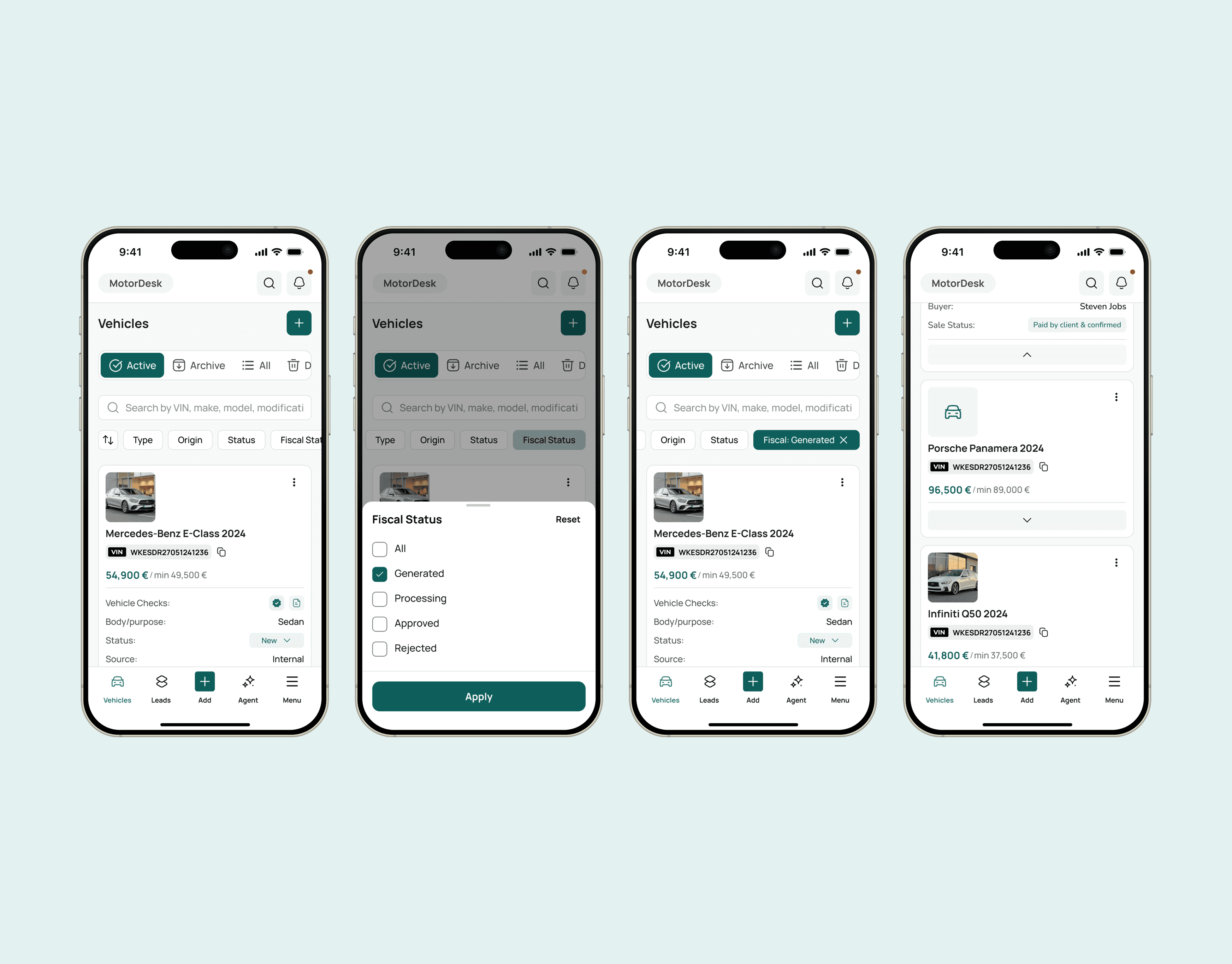
A white-labeled redesign of a complex automotive ecosystem that included internal operational tools, service workflows, and customer-facing web experiences. My role focused on redesigning the product foundation, creating a shared design system across multiple tools, and improving complex workflows for better consistency, scalability, and usability.
The Background
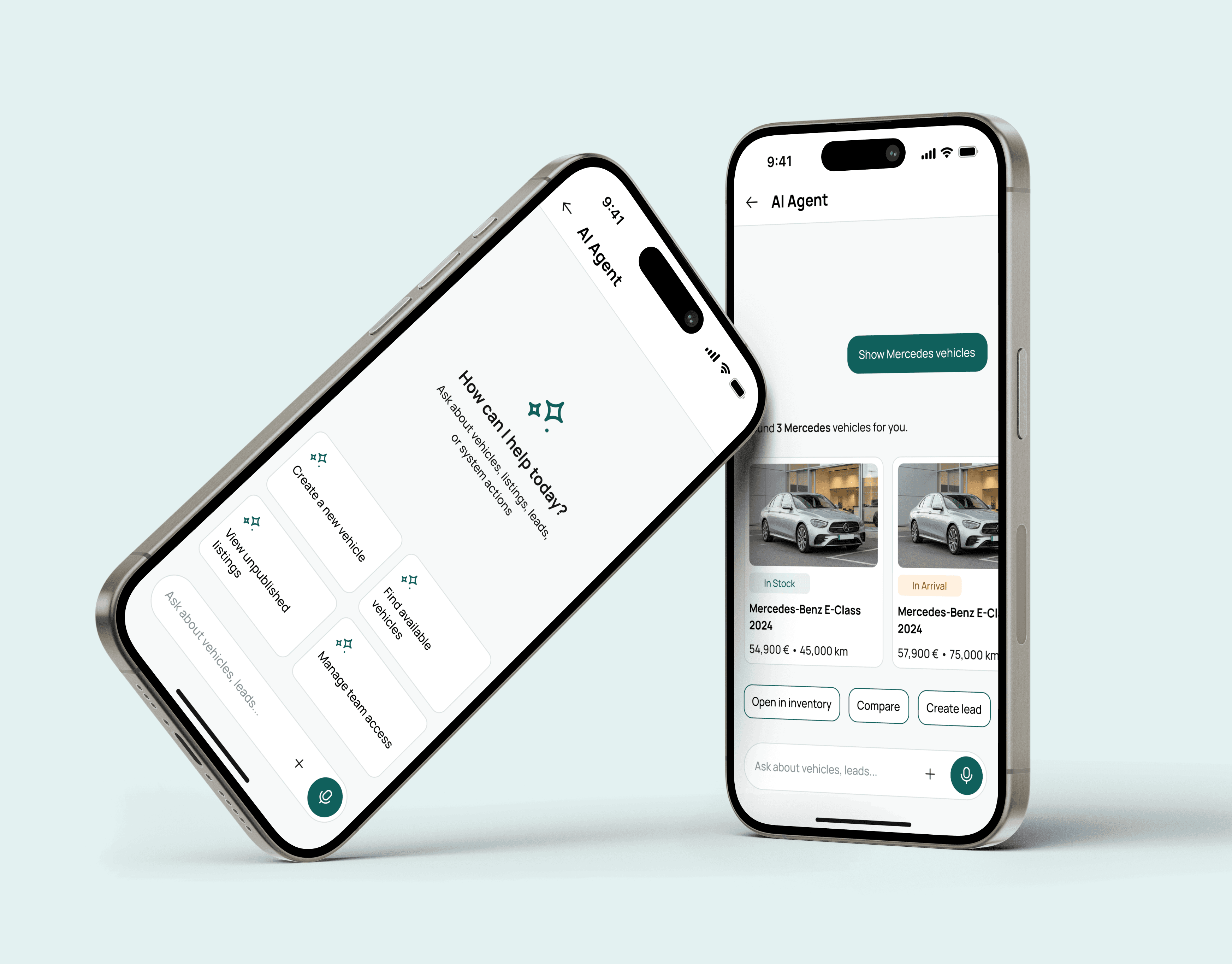
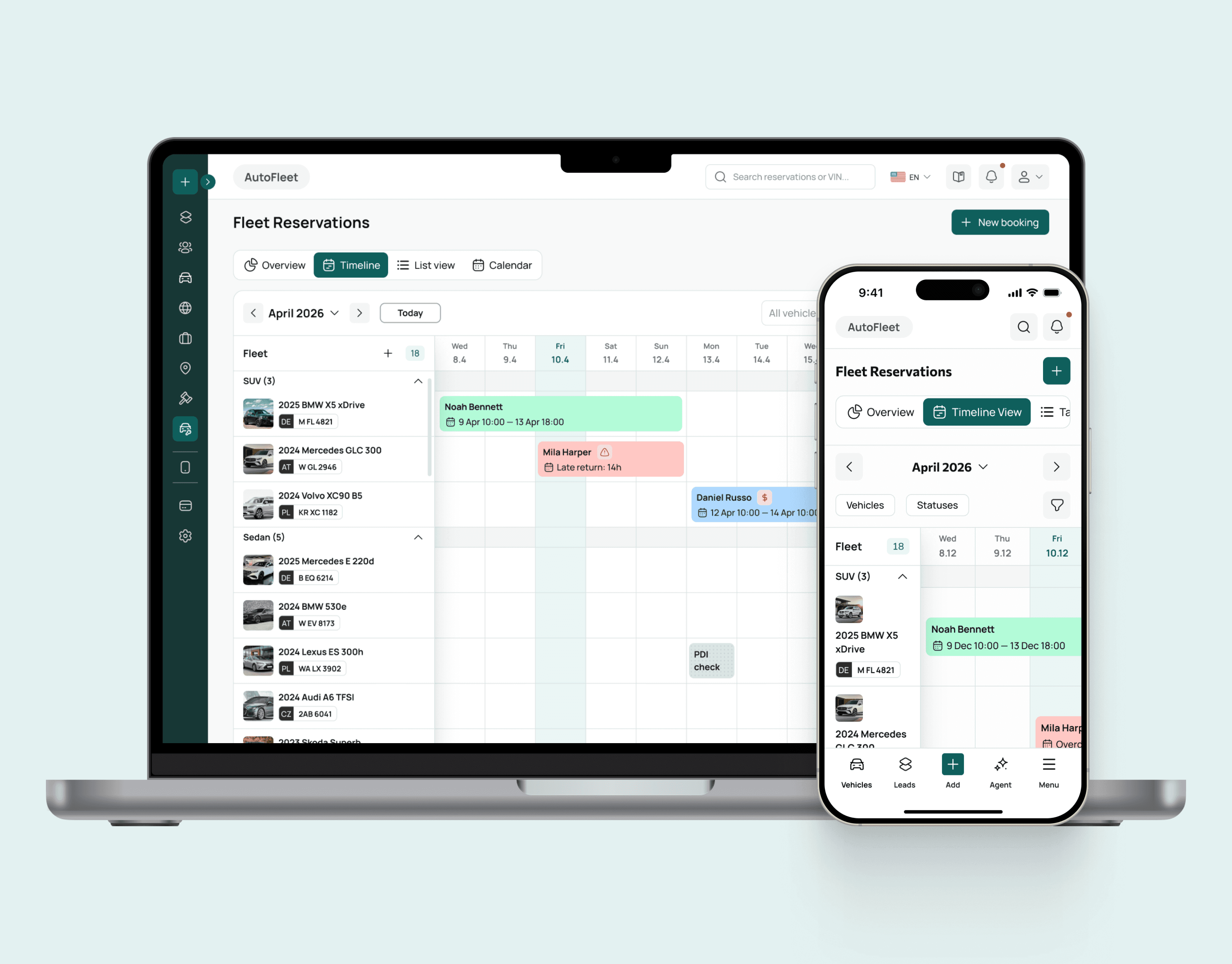
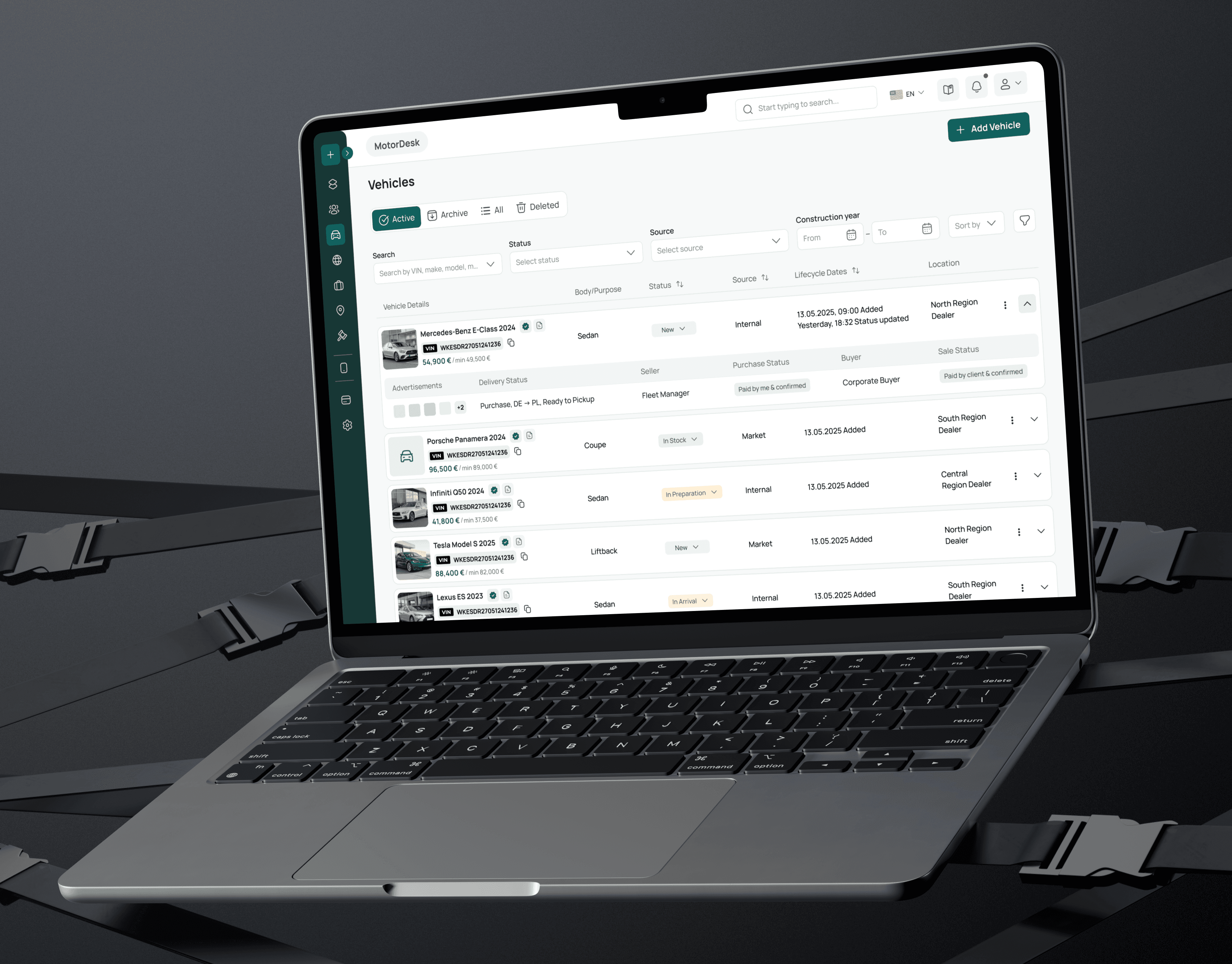
This case study is based on real product work for a large automotive company. To respect confidentiality, brand identity, names, visuals, and sensitive business details were removed or redesigned. The project covered a connected ecosystem of tools, including a dealer management system, a service provider platform, and customer-facing web experiences.
My role went beyond interface design. I worked on redesigning the overall product foundation, improving UX consistency across multiple tools, and creating a shared design system that made the ecosystem more scalable and aligned with the company’s brand.
The Challenge
When I joined the project, the existing product foundation was difficult to scale. The first version relied heavily on a purchased template, which limited flexibility, created weak visual consistency, and made the experience feel fragmented across different tools and platforms.
The challenge was not only to redesign the interface, but to unify the ecosystem, improve clarity in workflow-heavy areas, and support complex business logic across different use cases. This included operational flows, service processes, and country-specific scenarios such as invoice creation with different fields and rules depending on the market.
The Solution
I approached the work as a full redesign of the ecosystem rather than a set of isolated UI updates. I created a shared design system that connected multiple products and touchpoints through a more consistent visual language, reusable components, and scalable interaction patterns.
Alongside the system-level work, I redesigned complex workflows inside the platform, improving information hierarchy, reducing friction in everyday tasks, and supporting more advanced logic where needed. This helped create a more unified, flexible, and scalable foundation for future product growth.